

By Andy Baldassarre | Director of Marketing and Training
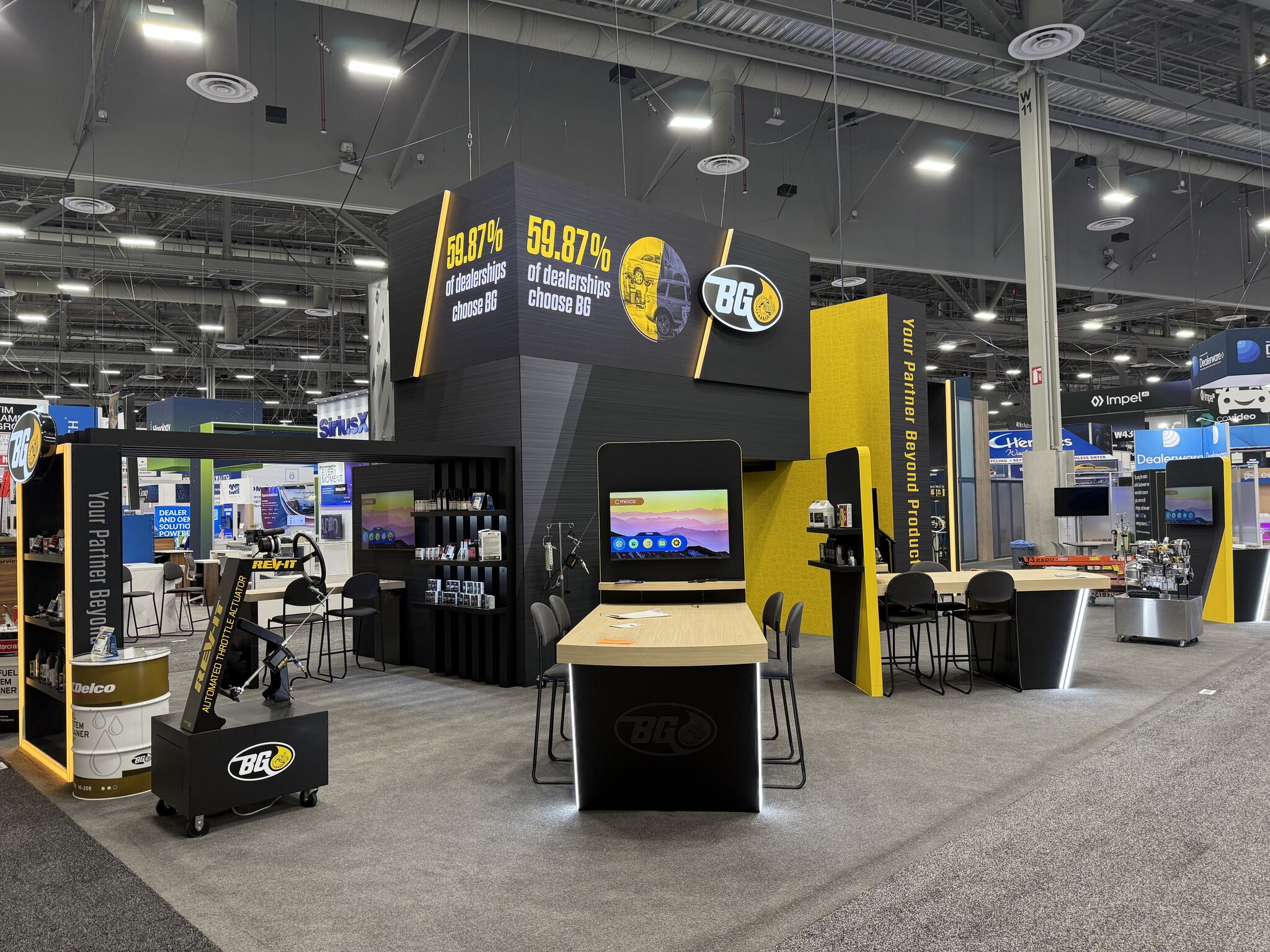
At NADA 2026, I had dozens of conversations with fixed operations directors, service managers, and dealer principals. Different rooftops, brands, and markets.
The concerns were surprisingly consistent.
“We need to grow customer-pay.”
“Our warranty work is softening.”
“We’re not seeing the maintenance penetration we should.”
“Our advisors are busy, but our R.O. doesn’t reflect it.”
Not once did someone say, “We need more oil changes.”
Fixed ops’ silent profit leak is not traffic, scheduling, texting, or digital payments. It’s inconsistent maintenance presentations. Real opportunity lies in improving what happens after customers arrive.
Inspection Is Not Conversion
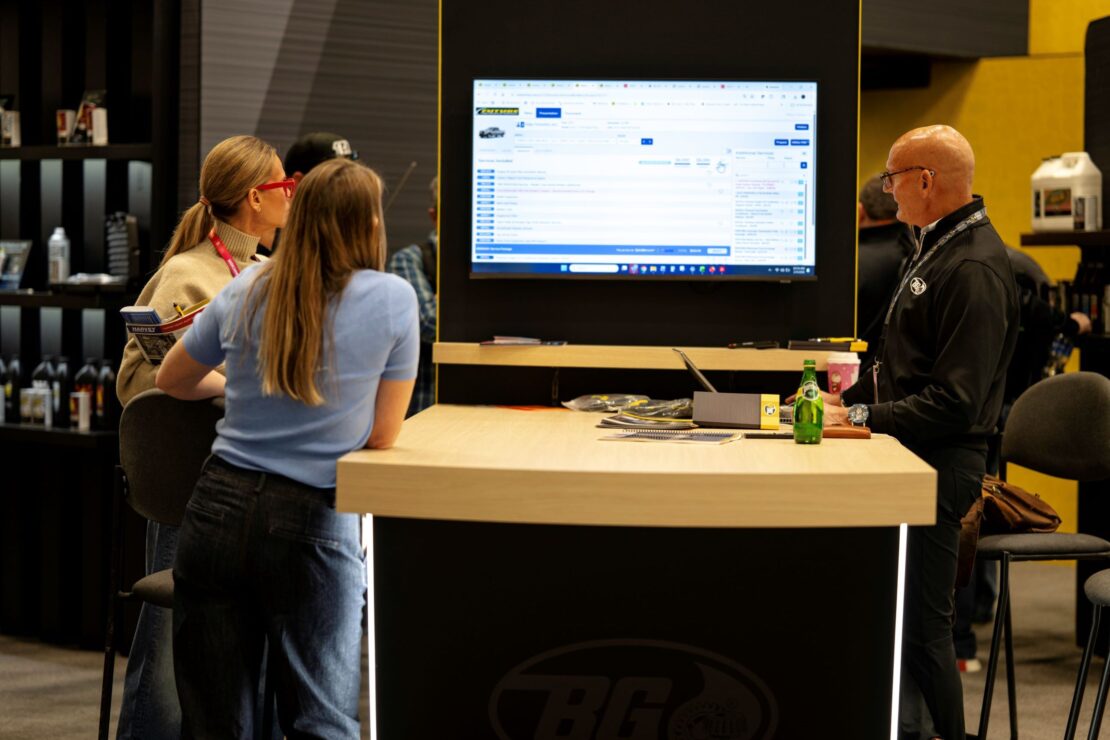
The industry has invested heavily in digital MPI tools (photos, videos, text approvals). They’re important—transparency builds trust. But transparency doesn’t automatically equal acceptance.
An inspection tells the customer what is worn.
A maintenance menu explains what is needed when and why.
When a customer sees a red item on a report without context, it can feel like pressure. When that same recommendation is presented as part of a structured, mileage-based, manufacturer-aligned maintenance plan, it feels logical.
Customers don’t buy services. They buy confidence; and confidence is created through structure.
The 2026 Pressure Point: Customer-Pay Growth
Dealerships increasingly rely on customer-pay maintenance to drive profitability. Here’s what we’re seeing across the country:
- Vehicles stay on the road longer.
- Customers hold onto cars past warranty.
- Independents aggressively market maintenance value.
- Dealerships present services transactionally.
That last point is critical.
If your process is “You’re here for an oil change; here are a few other things,” you’re competing on price.
If your process is “Based on your vehicle’s mileage, driving conditions, and manufacturer schedule, here’s what keeps it performing and protected,” you’re competing on expertise.
5 Practices Powering High-Performing Stores
At NADA, high-growth stores shared a few common practices.
1. Lead with OEM guidance.
Tie recommendations to factory intervals, and objections decrease. Customers trust the manufacturer; use that credibility.
Replace “We recommend a brake fluid exchange” with “At this mileage, your manufacturer recommends a brake fluid service because moisture contamination affects braking performance.”
2. Segment by mileage and life cycle.
Tailor the conversation to mileage; a vehicle with 15,000 versus 60,000 miles requires a different approach.
High-performing stores create clear maintenance pathways:
- 15K/30K/45K/60K
- In-warranty versus post-warranty
- Severe versus normal driving conditions
Relevance drives acceptance. Generic recommendations drive decline.
3. Make it visual.
Visual presentations increase service penetration. When customers see fluid conditions, wear patterns, and upcoming service intervals, they make decisions more confidently.
The goal is simplicity: Red-yellow-green indicators, clear benefit statements, no jargon.
4. Bundle for value.
Bundled maintenance packages increase value and simplify decisions.
Instead of presenting three line items, recommend one structured package that protects the vehicle’s engine, fuel system, or driveline. Customers respond better to protection plans than piecemeal transactions.
5. Train advisors on education, not pressure.
This may be the most important takeaway from NADA. Advisors who educate outperform advisors who push.
The best stores invest in training advisors to explain:
- What the service does.
- Why it matters.
- What happens if it’s ignored.
- How it protects long-term performance.
When advisors clarify why, customers say “yes” more often.
Measurable Revenue Impact
Across multiple rooftops, the pattern is consistent: When a structured maintenance presentation is implemented consistently, hours per R.O. increase, customer-pay gross grows, declined services decrease, and retention improves in years 4–7 of ownership.
The improvement is operational and compounds over time. A customer who understands maintenance today is more likely to return tomorrow.
The Retention Connection
Maintenance presentations are as much about tomorrow’s relationship as they are about today’s R.O. Customers who understand and invest in preventive maintenance:
- Experience fewer breakdowns.
- Trust their service department more.
- Return for future visits.
- Are more likely to purchase another vehicle from the same dealership.
Retention is built through consistency. If maintenance recommendations feel random, customers lose trust. If recommendations feel structured and aligned with manufacturer guidelines, customers gain confidence—and loyalty follows.
Final Thought
Fixed operations’ profitability is not driven by gimmicks or aggressive discounts but by clarity. Clear recommendations, structured processes, and demonstrated value lead to stronger customer-pay growth, improved retention, and healthier margins.
The opportunity is on your service drive. And from what we heard at NADA, stores that focus on capturing it are launching themselves to the forefront of the industry.

About the Author
Andy Baldassarre leads the marketing and training departments for BG Products, Inc. He has more than 25 years of experience in the automotive industry with an emphasis on adult learning in the automotive workplace.