
Skip to content

Turning Around a Nonprofitable Shop

Spiro Morogiannis | BG Training Manager and BGU Instructor

Is your shop struggling to make a profit? Compounding items contribute to a nonprofitable shop. Knowing what works (and what doesn’t) in daily processes makes a difference in turning your business around. 

These action items create awareness and opportunity to boost profitability:

Self-Audit Excessive/Unnecessary Spending

Review how you handle inventory, shop consumables, and cash flow. How you purchase shop tools can drive shop expenses through the roof. Excessive inventory is a cash killer. Are you returning new parts and cores to your suppliers, or are they shelved, costing you money? Streamlining inventory processes impacts profitability.

Improve Time Management, Labor Efficiency, and Bay Turnaround Times

Are you OK with working 50 hours/week but getting paid for 35 hours? Improve shop labor efficiency. 

When reviewing a potential job, maximize bay turnaround. Shops leaning toward heavy line and large repair—where a bay with a vehicle causes excessive downtime—lose revenue. If a large job pays 15 hours but clogs your bay for three days, how much do you make? Ten hours per day opportunity x 4 days = 40 hours. 15/30 = 50% efficiency. OUCH. Determine a balance of same/next-day turnaround jobs, preventive maintenance, and suspension work to tilt efficiency and balance cash flow and billed hours. Too many heavy line or long-turnaround jobs hurt the financials, especially if they’re not labor-efficient. 

How many hours does your shop need to break even? How many more hours to sell daily/weekly/monthly for a profit? Calculate expenses, costs, and financials. 

Review Outstanding Invoices Owed

Are repaired vehicles parked for months with money owed? They occupy precious parking and bog down the books, parts bills, shop payroll, and liability, and customers notice the same cars parked for months. Resolve those vehicles with the owners. 

Examine Quality Control Process and Comebacks

A lack of quality control (QC) slows production and misses the opportunity to maximize labor efficiency and reduce comebacks and complaints. Establish a QC process with your techs and advisors (and yourself) to master accountability and ensure the job is done properly the first time. 

A simple “final signoff” by a tech, advisor, or manager before returning the customer’s vehicle can change a customer’s visit. Inspect the work and check for oil stickers, tire pressure monitoring system or vehicle dash lights, wheel torque, fingerprints, etc. This highly reduces comebacks and negative reviews and helps capture positive reviews while adding value. 

Refine the Customer Check-In Process

The check-in sets the tone for the entire visit. At a restaurant, do you prefer a “Whatcha here for?” or a waiter’s warm greeting and thanks for coming? Greet and welcome the customer. Confirm their appointment, review concerns, and explain what to expect. 

A customer brings their vehicle for repair/diagnostics. “Mr. Customer, your vehicle is in the cue, and I’ll be in communication throughout the visit. Our technician will look into what’s going on. Before starting repairs, we’ll contact you with options. If we notice anything needing attention, we’ll get you the information to make an informed decision.” This sets customer expectations on how you conduct business: You’ll look over their car and be in communication; they’ll then make the final decision.

Customers like being informed, while the shop controls the transaction. Communication and transparency keep you trouble-free and help sell additional required work or maintenance. Set the tone for the transaction.

Master the MPI Process

For the multi-point inspection, follow the 300% rule: 100% of cars, 100% of offerings, 100% of the time. 
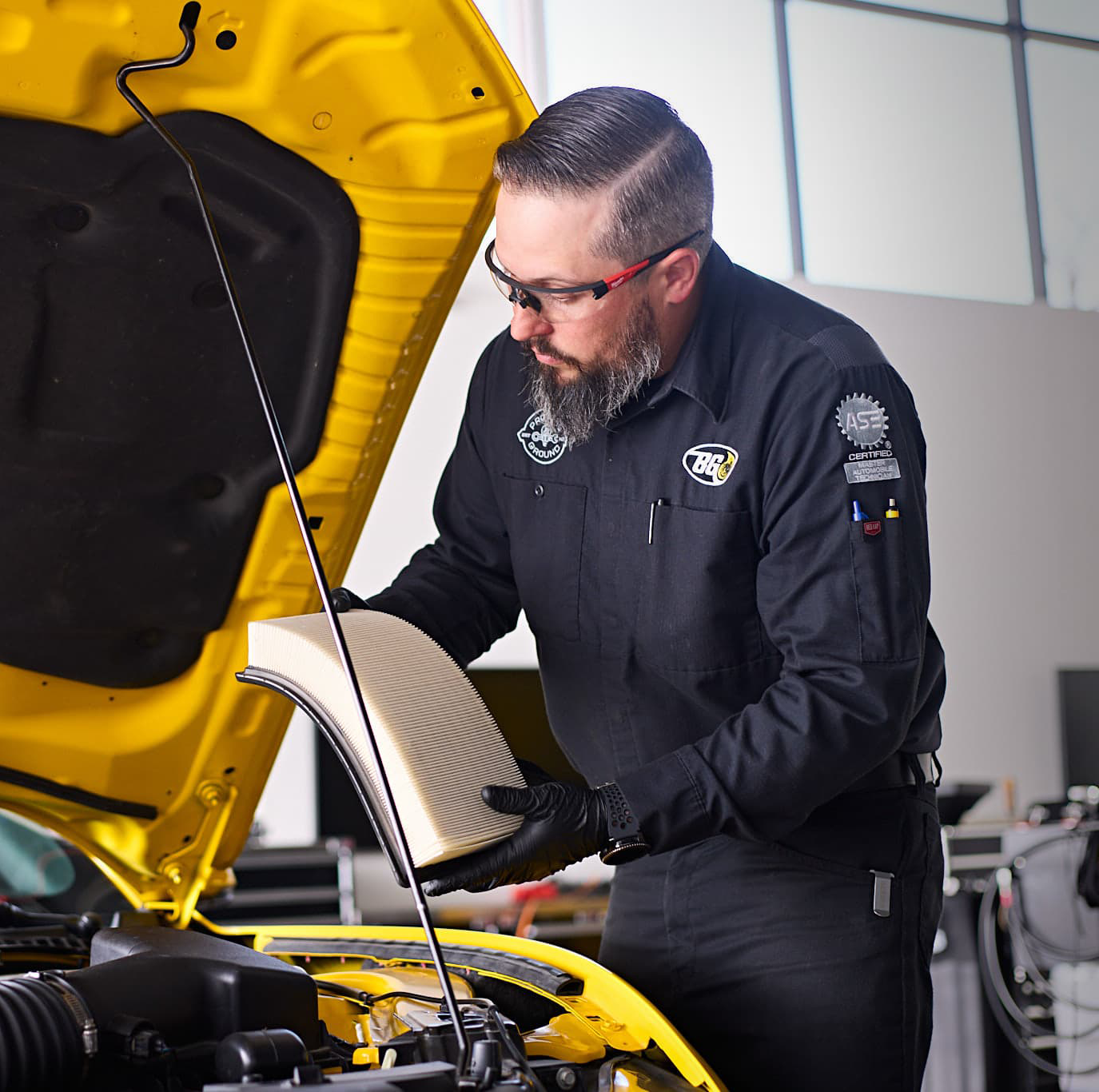
Customers have the right to make informed decisions; don’t hold back recommending something their vehicle needs. Present your findings to the customer, then be OK with hearing “no.” Simply asking to perform additional work drastically improves your chances of hearing “yes.”

Evaluating every car through a quality MPI protects the shop and communicates vehicle needs to the customer. Be proactive in communication; your shop will reverse course fast. 

These easy exercises help shops turn around profitability and instill customer trust. Shops focusing too much on “trying to get more customers” aren’t focused on the processes, communication, and simple, consistent offering of needed work. Process and consistency benefit faster than any marketing strategy or advertisement and yield immediate results—today and tomorrow.

About the Author

Spiro Morogiannis has more than 15 years in the automotive industry, with 8+ years at BG Products. With a deep understanding of maintenance and repair operations, as well as specializing in independent automotive shops, Spiro brings valuable insights into best practices and industry trends.

Originally published in
Ratchet + Wrench
SEP 2025

Find a local BG Distributor today and become a BG shop!