

By Nick Peyton, BG Training Program Manager and BGU Instructor
Over the last few years, repair orders have grown significantly. Vehicles are more complex, parts cost more, and labor rates continue to rise. Yet many shop owners tell me the same thing:
“It’s getting harder to present these larger estimates.”
They’re right. The problem isn’t always the size of the ticket. Often, it’s that our customer experience hasn’t evolved to match the price we’re asking customers to pay.
Think about hotels. You can find a room for $89 a night or spend over $200 for one just down the road. The higher-priced hotel isn’t simply charging more because everyone else is. It’s providing an experience that justifies the price.
The Customer Experience: Keep It Real
Too many shops raise their labor rates because the market is doing it, but they never ask the harder question:
What have we done to earn it?
One of the biggest opportunities lies in something most shops rush through every day—the customer check-in.
Modern shop management software has made scheduling and check-in incredibly efficient. Online appointments, digital forms, and quick vehicle drop-offs save time for everyone involved. Those are great tools.
But they’ve also made many customer interactions feel sterile. Customers fill out a form, hand over the keys, and leave. The process is efficient, but it’s forgettable.
I often hear shop owners proudly tell me, “We sell almost everything virtually.” That’s impressive, but it also comes with a downside.
If every interaction happens through text messages and digital inspections, what makes your shop different from the one down the street?
Every town has multiple repair shops capable of fixing the same problems. Customers don’t keep coming back because one shop is technically capable of performing a repair. They come back because they trust the people, value the experience, and feel confident their vehicle—and they themselves—are being cared for.
When customers remember the people who helped them rather than just the repair, they’re more likely to return. They trust recommendations more readily and become less price-sensitive because they believe they’re buying expertise—not just labor hours.
The Conversation Conversion
Ironically, the industry’s obsession with “quick in and quick out” often creates the very problems we’re trying to avoid: smaller repair orders, lower trust, and customers who question every recommendation.
The conversation before the inspection is where trust begins.
Instead of rushing through the basics, spend a few extra minutes learning about the customer and their vehicle. Think of it like a doctor beginning with questions before recommending treatment.
Ask questions, such as:
- What’s your long-term plan for this vehicle?
- How do you typically drive it—is it mostly highway, stop-and-go traffic, or short trips?
- Does it sit for long periods?
- Which repairs or maintenance have been done before coming here?
- Are there any concerns that haven’t become serious enough to mention until now?
These questions do much more than gather information.
They help your technician perform a better inspection. They help your advisor make recommendations that actually fit the customer’s goals. Most important, they show customers that you care about their situation—not just the repair order.
First Contact Resolution (FCR)
The intake process can begin even before the customer walks through the door.
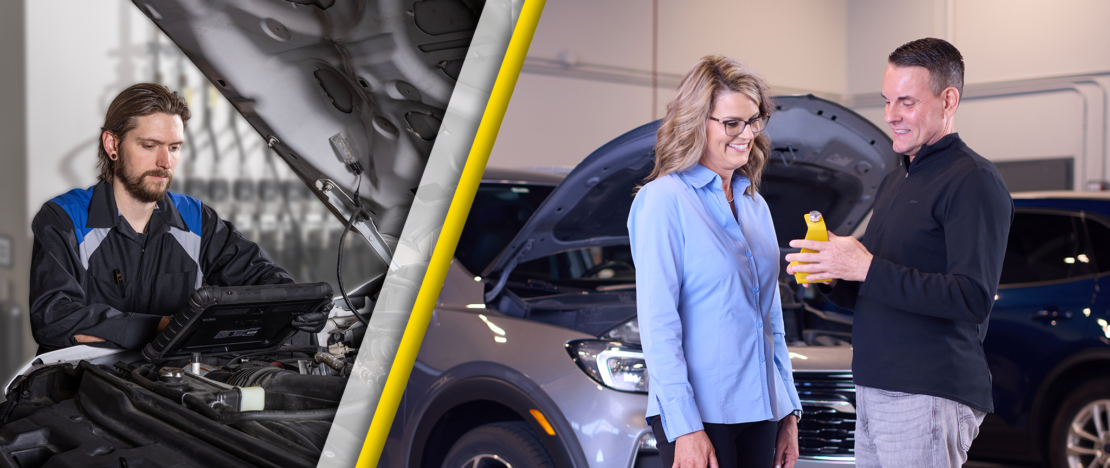
If someone books online, consider a quick phone call before the appointment. Thank them for choosing your shop. Confirm their concerns. Answer any questions they have. Let them know you’re looking forward to seeing them.
That first, simple conversation immediately sets your business apart from every other shop that just sends an automated confirmation email.
Technology should make us more efficient—not less personal.
Customers today can schedule appointments online, receive digital inspections, approve repairs from their phone, and pay electronically. Those conveniences are expected.
Relationships are not.
As repair orders continue to grow, the shops that thrive won’t simply be the ones with the highest labor rates or the newest technology. They’ll be the ones creating an experience that customers believe is worth paying for.
Customers expect convenience. What they remember is how your team made them feel. Sometimes that starts with something as simple as asking a few more questions before turning the first wrench.
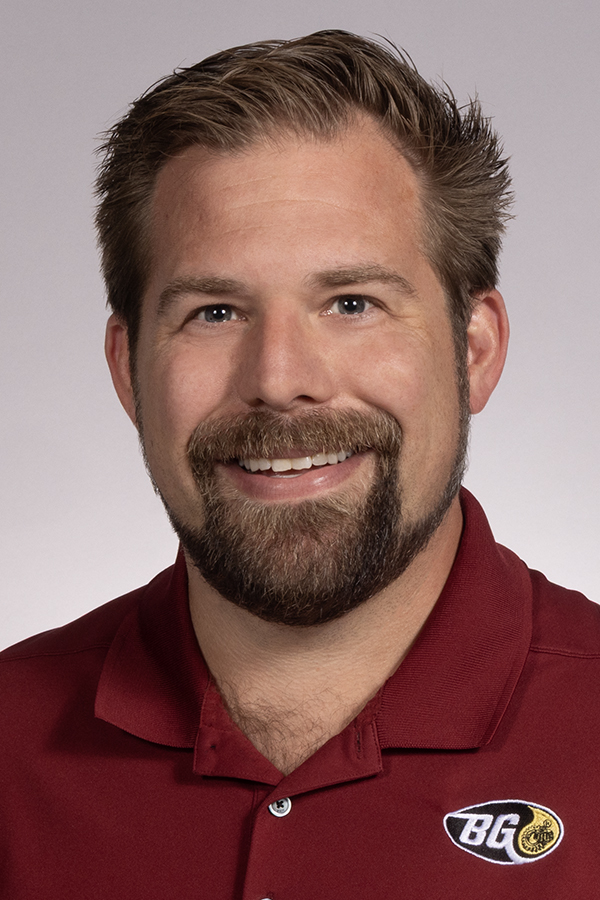
About the Author
Nick Peyton has more than two decades in the automotive industry and is an integral part of the Training team at BG Products. A seasoned automotive professional with a track record of transforming shop performance, he leads large-group trainings and demos, teaches service advisor courses, and partners with community colleges. His passion for the auto service industry—and for helping people reach their highest potential—drives every class he teaches.