SERVICE DEPARTMENT BY ANDY BALDASSARRE
Why Most Service Lane Technology Is Solving the Wrong Problem
For several years, dealership service departments have invested heavily in technology: online scheduling platforms, digital vehicle inspections, text messaging tools, mobile payment systems, and contactless check-in.
These tools improve efficiency, modernize the customer experience, and streamline operations. But while speaking with fixed operations directors and service managers nationwide, one concern keeps surfacing:
“We’ve upgraded our technology, but maintenance penetration hasn’t grown the way we expected.” It reveals that technology alone does not drive revenue.
THE 7-MINUTE REVENUE WINDOW
Most service lane technology focuses on workflow efficiency. Scheduling reduces friction before the visit, texting improves communication during the visit, and mobile payments simplify checkout.
While those upgrades matter, they don’t address the most critical profitability moment in fixed operations: the 7–10 minutes when the advisor presents maintenance recommendations. That moment determines:
- Hours per RO.
- Maintenance compliance.
- Customer-pay gross.
- Long-term retention.
In many dealerships, that moment remains inconsistent.
Dealerships that standardize
the maintenance conversation
grow their maintenance
penetration.

VIN-Specific
Recommendations
Mileage-Based
Segmentation
INSPECTION IS NOT STRATEGY
Digital MPI systems have significantly improved transparency. Customers see photos, videos, and color-coded health indicators tied to their vehicle. Transparency builds trust—but it’s not the same as strategy.
An inspection may identify a red item. Yet if that item is not presented within a structured, mileage-based, manufacturer-aligned maintenance plan, the customer sees a problem rather than a solution. And they often postpone problems.
Successful service departments don’t simply show what is worn. They explain what protects the vehicle long term and why it matters now. That distinction increases customer acceptance.
THE ILLUSION OF PROGRESS
It’s easy to assume that adding technology automatically improves performance. Many stores experience strong online scheduling, modern inspection platforms, automated reminders, and seamless payment systems. Yet customer-pay growth remains flat, maintenance acceptance varies from advisor to advisor, and post-warranty retention declines.
Why? Because most technology investments improve convenience, not consistency. Convenience enhances the customer experience. Consistency drives profitability.
THE CONSISTENCY CHALLENGE
Even in well-run service departments, maintenance presentation often varies widely. One advisor confidently explains fluid degradation and manufacturer intervals, another briefly mentions it, and another skips it when the lane gets busy.
This variability is rarely about effort. It’s about structure. Without a standardized maintenance presentation framework, even experienced advisors default to speed over education when under pressure. And when education decreases, so does service acceptance.
WHAT HIGH-PERFORMING STORES DO DIFFERENTLY
Dealerships that grow maintenance penetration share common characteristics. They standardize the maintenance conversation with:
- VIN-Specific Recommendations: Recommendations align with OEM guidance and specific vehicle data—builds credibility and reduces objections.
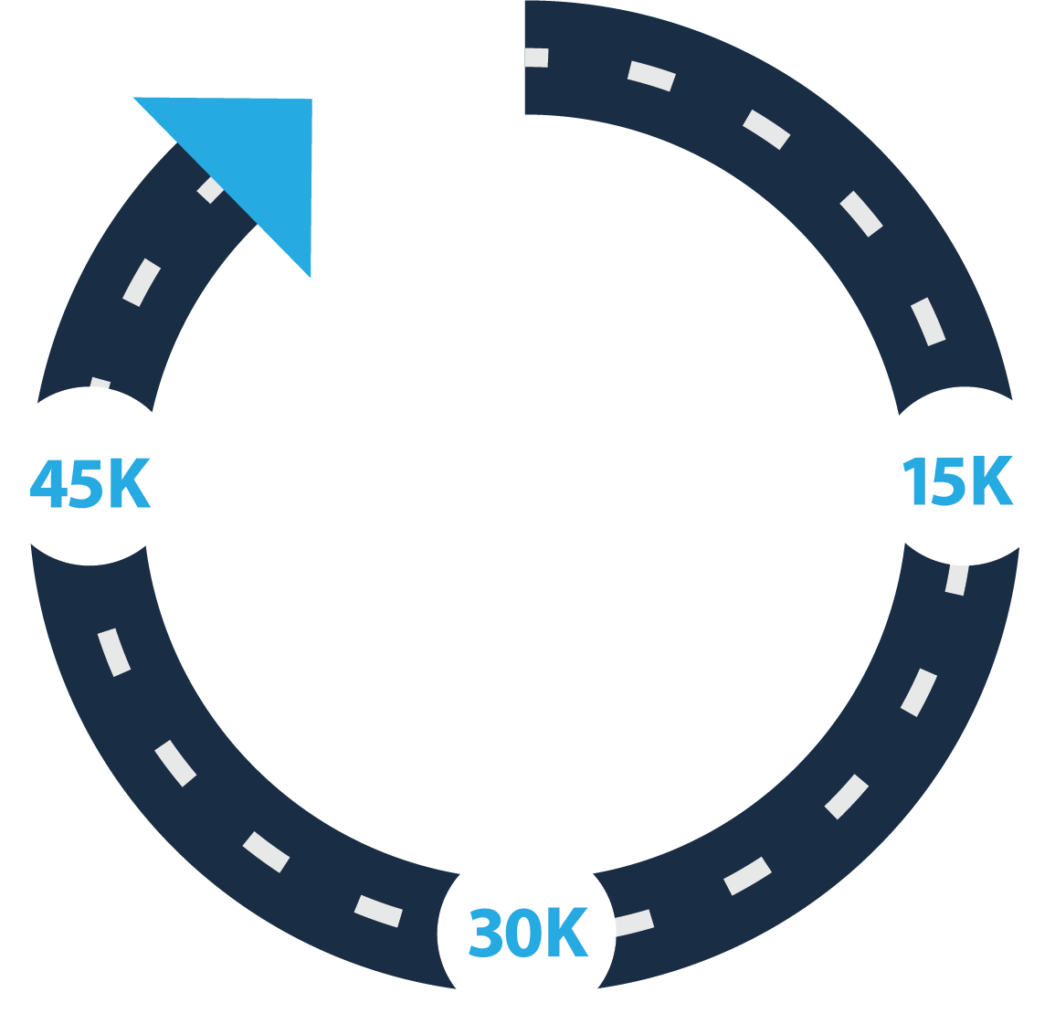
- Mileage-Based Segmentation: 15K, 30K, 45K, and 60K intervals are clearly defined—customers see what’s due now and what’s upcoming.
- Visual Simplicity: Clear color indicators and benefit statements make decisions easier.
- Bundled Protection Packages: Services are positioned as preventive maintenance rather than isolated line items—simplifies choices and increases value.
- Advisor Training Focused on Education: Trained advisors explain services in plain language, connect them to long-term vehicle health, and lead with confidence.
The result is not aggressive selling. It’s structured presentation.
THE CUSTOMER-PAY IMPERATIVE
Warranty volume fluctuates. Vehicles are more reliable. Service intervals are longer. Customer-pay maintenance is now the growth driver. Today’s customers are informed and cautious, researching services, comparing pricing, and questioning necessity. If recommendations appear inconsistent or random, they usually decline. If recommendations are aligned with manufacturer guidance, driving conditions, and dealership recommendations and presented as part of a total vehicle protection strategy, they tend to accept.
Clarity increases confidence, which increases approval rates.

Visual
Simplicity
Bundled
Protection Packages
Advisor Training
and Education
THE ADVISOR AS THE BRIDGE
Technology supports (not replaces) the advisor. The advisor remains the bridge between inspection data and customer decision.
When advisors lead with OEM credibility, present structured maintenance pathways, explain services clearly and simply, and offer tiered service plans, they move from transactional selling to consultative advising. That shift improves both profitability and retention.
THE RETENTION IMPACT
Maintenance presentation affects more than today’s RO. Customers who understand preventive maintenance are more likely to:
- Return for future services.
- Trust dealership recommendations.
- Remain loyal after warranty expiration.
- Purchase their next vehicle from the same store.
When maintenance feels unstructured, customers perceive inconsistency. When it feels standardized and manufacturer-aligned, they perceive expertise. Expertise builds long-term relationships.

QUESTIONS FOR FIXED OPS LEADERS
As you evaluate your service department strategy, ask:
- Have we improved workflow or improved conversion?
- Is our maintenance presentation standardized across all advisors?
- Are recommendations VIN- and mileage-specific?
- Do we equally measure maintenance penetration and scheduling efficiency?
If the answer is uncertain, an opportunity exists—not necessarily for more technology but for the right system behind it.
FINAL THOUGHTS
The service lane has never had more tools available. But tools alone don’t maximize profitability. The dealerships that lead don’t simply digitize their service process. They structure it.
The most important moment in fixed operations is not at appointment booking or payment processing. It’s when the advisor explains what the vehicle needs and why. Standardize that moment with clarity, consistency, and confidence, and maintenance penetration and fixed ops performance improve.
That’s the problem worth solving.

About the Author
Andy Baldassarre, BG Director of Marketing and Training
Andy leads the marketing and training departments for BG Products, Inc. He has more than 25 years of experience in the automotive industry with an emphasis on adult learning in the automotive workplace.