

Spiro Morogiannis | BG Training Manager and BGU Instructor
Maximizing Profitability With Preventive Maintenance
Let’s deep-dive into vehicle cooling system services: why this service should be performed, how performing the service becomes easy with updated equipment, how your customers benefit from extended vehicle longevity, and how it positively impacts the financial health of your dealership.
WHY COOLING SYSTEMS NEED SERVICE
Over time, miles, and repeated heat cycles, the supplemental coolant additive (SCA) packs in coolant gradually lose their ability to fight against acid formation, allowing the coolant to become acidic. Modern long-life coolants typically maintain a pH of 7.5–8, but as protection diminishes, that pH can drop into acidic levels.
WHEN COOLANT TURNS ACIDIC
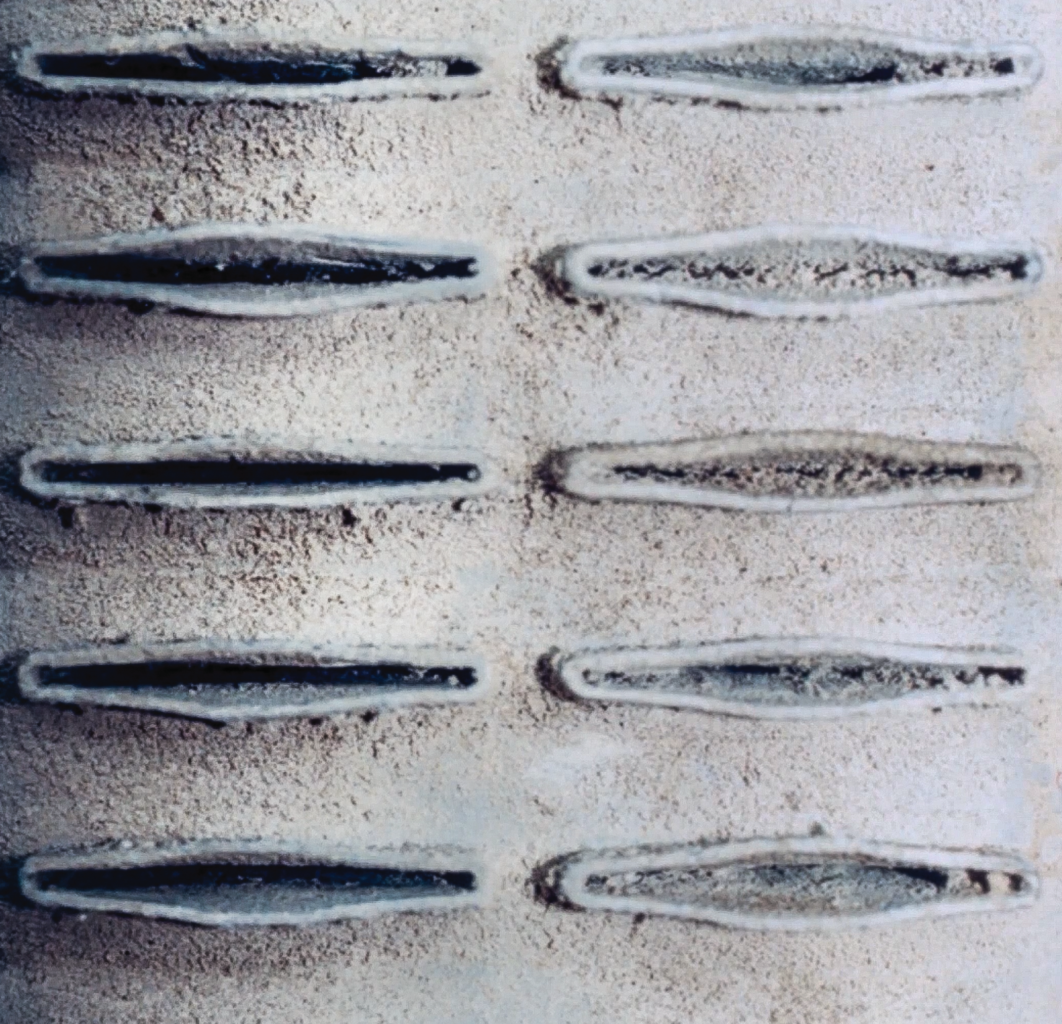
Acidic coolant starts to slowly degrade and damage cooling system components, such as metal surfaces, radiators, water pumps, and heater cores, which reduces cooling efficiency. Deposits and scale also begin to form, further decreasing the cooling system’s ability to operate as designed. Over time and continued miles, cooling system failures can occur. Water pumps fail, radiators leak, unplanned vehicle repair expenses drain the customer’s wallet, and their faith in the vehicle’s long-term reliability is compromised.
These issues can be prevented by periodically servicing the vehicle’s cooling system. Exchanging old, worn, and acidic coolant for new coolant extends the life of the cooling system once again. This service boosts customer retention while increasing dealership revenue, both now and in the future.
THE BUSINESS UPSIDE OF A COOLING SYSTEM SERVICE
All vehicles require cooling system service—often before the published “normal” maintenance intervals.
In vehicle owner’s manuals, maintenance guidelines are often listed under “normal” and “severe” driving conditions. Keep in mind: Owner’s manuals do not address individual driving habits.This is why technicians should use coolant test strips during the MPI or DVI process. Doing so helps ensure that coolant is within safe operating levels and allows for low or acidic levels to be identified early to help prevent an unplanned cooling system failure. Many OEM maintenance definitions found in owner’s manuals also require technicians to inspect these components as part of routine service evaluations.
Promoting the benefits of a cooling system service helps customers better understand (and plan for) future preventive maintenance services. Remember: You can plan preventive maintenance; you cannot plan repairs.
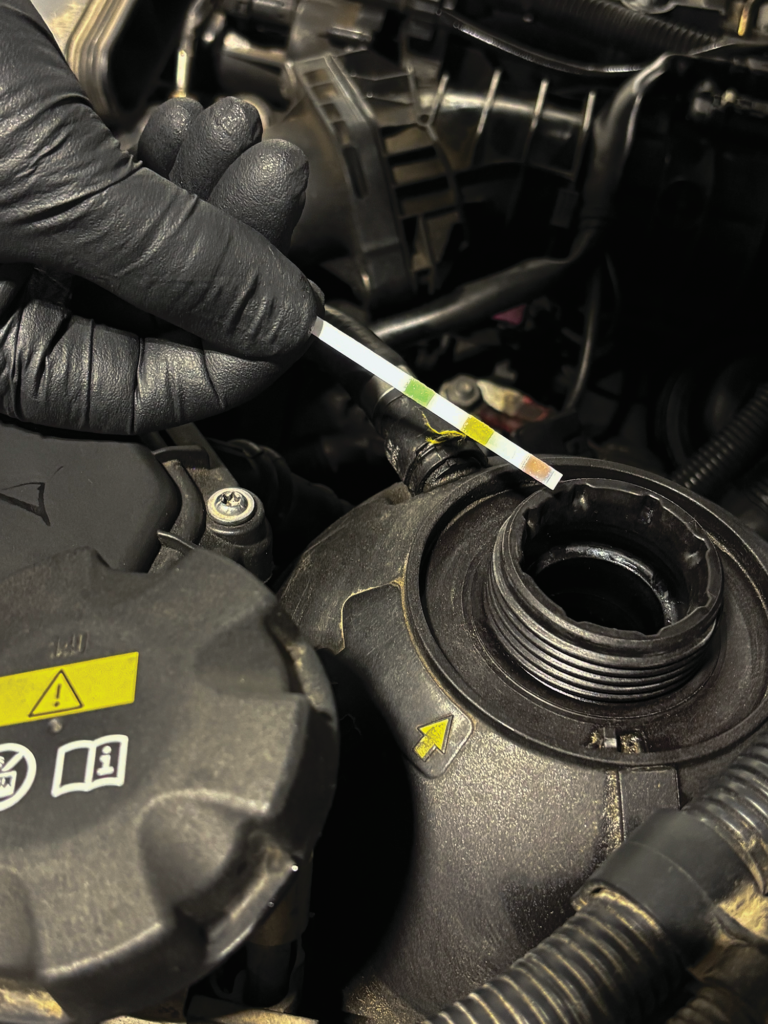
Owner’s manuals do not address case-by-case driving habits, which is why technicians should be required to use coolant test strips during the MPI or DVI process. This helps ensure that low or acidic coolant levels are caught.
INNOVATIVE EQUIPMENT, IMPROVED REVENUE
A cooling system service performed with modern, dedicated equipment typically takes 15–20 minutes to complete while billing 0.8–1.0 hour of labor. This makes it a tremendous effective labor rate (ELR) service, strong labor generator, and significant labor efficiency booster (200%–300%) for the service department, as well as a multigallon coolant sale for your parts department.
In addition, this service is an excellent gross profit (GP) generator. A cooling system service with full parts markup and billed maintenance labor creates a high GP with a low labor cost. A dealership with proper service equipment ensures that a technician of any training level can perform the service more cleanly when compared to a traditional cooling system service. With high-quality equipment, the system is also bled safely, preventing air pockets in the cooling system and minimizing potential comebacks from a mediocre service.
EFFECTIVE SERVICE METHODS
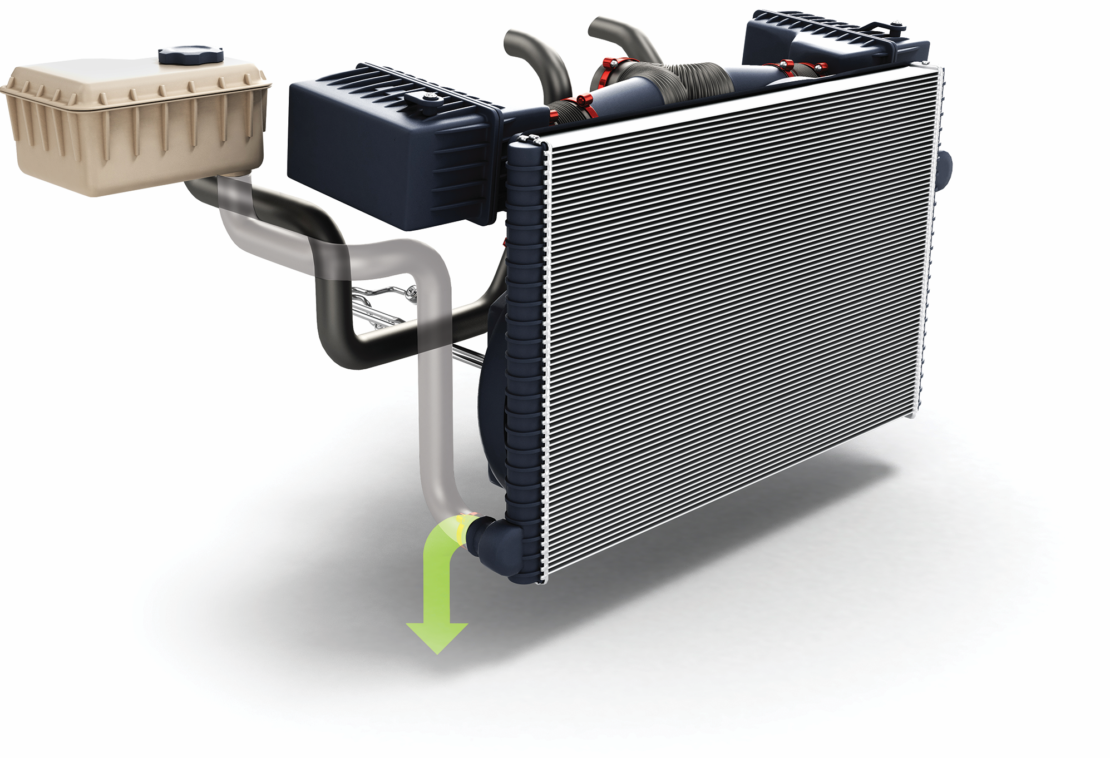
For dealerships to perform a successful cooling system service, the right equipment means EVERYTHING. The old method of pulling the lower radiator hose before draining out and topping off coolant has become obsolete; it’s a messy process and only completes a partial service at best. (Only 30%–50% of old coolant is removed—leaving old coolant trapped in the heater core and such engine internals as the cylinder head, cooling jackets, and lines.) When a large amount of the old, worn coolant remains in the system, the newly added coolant quickly becomes contaminated.
The right equipment not only speeds up the job but can also remove 70%–95% of the old coolant (depending on the machine design), while preventing spills and eliminating the need to manually bleed the cooling system.
CUSTOMER SATISFACTION
Proper cooling system services improve customer retention, build trust, and enhance ownership experience by helping prevent major cooling system failures. And, a positive service department experience encourages customers to return not only for routine maintenance, but also for additional repairs—and potentially another vehicle purchase, the ultimate goal of all dealers. The sales department sells the first vehicle; the service department helps sell the second.
Don’t discount the opportunity of seasonal maintenance offerings. While the best approach is to recommend a cooling service based on time, mileage, and inspection results, these services are often positioned as a “winter” or “summer” maintenance service. Service drive and countermat promotional materials, along with customer reminders, help increase awareness of the benefits of having a timely cooling system service.
FINAL THOUGHTS
Incorporating preventive maintenance service awareness throughout your dealership’s service department begins with a process: service advisors verifying maintenance intervals by time or mileage (whichever comes first), techs inspecting and testing coolant with test strips during MPIs, and service advisors presenting those findings to the customer. Each step creates opportunities to increase sales, GP, billable hours, and most importantly, protect the customer’s vehicle from costly cooling system repairs.

About the Author
Spiro Morogiannis has more than 15 years in the automotive industry, with 9+ years at BG Products. With a deep understanding of maintenance and shop operations, Spiro brings valuable insights into best practices and industry trends.