

Nick Peyton | BG Training Program Manager and BGU Instructor
Make Training a Normal Part of the Job
In many automotive maintenance shops, training exists—but it is not part of the daily routine. It is treated like something extra. Something only the most motivated employee pursues. Something optional.
That mindset holds shops back.
When I was a service advisor, our team asked the owner for an incentive on maintenance services. His answer was quick: “I’m not paying someone more for doing the job I already pay them to do.” Within a few months, shop productivity dropped. Employee motivation tanked. I left not long after.
It wasn’t just about money. It was about what that shop owner’s decision communicated: Effort, improvement, and growth didn’t matter.
Training programs send the same message—whether leaders realize it or not.
Leadership Must Go First
If the shop owner or manager does not take training seriously, the team won’t, either. The leader should be the first to attend training. They should take notes, talk about what they learned, and follow up with employees afterward.
When a manager asks “What did you learn?” or “How are you using that training?” they are showing that learning matters. When a leader ignores training, employees assume that it’s not important.
As a leader, what you reinforce becomes your culture. If you reward improvement, your team will improve. If you ignore growth, your team will plateau.
People Work for Opportunity
Many owners want to believe that their employees are mainly driven by passion or career pride. But the reality is simple: People work to earn a living. Incentives work because they connect effort to reward.
Incentives also make routine work more engaging. When business is strong, incentives reward performance. When business is slow, they encourage employees to stay focused and look for opportunities.
The automotive service industry already understands this concept. ASE certification often comes with a pay increase because certification increases skill and value to the shop.
But why stop there?
If alignment training improves accuracy, that adds value.
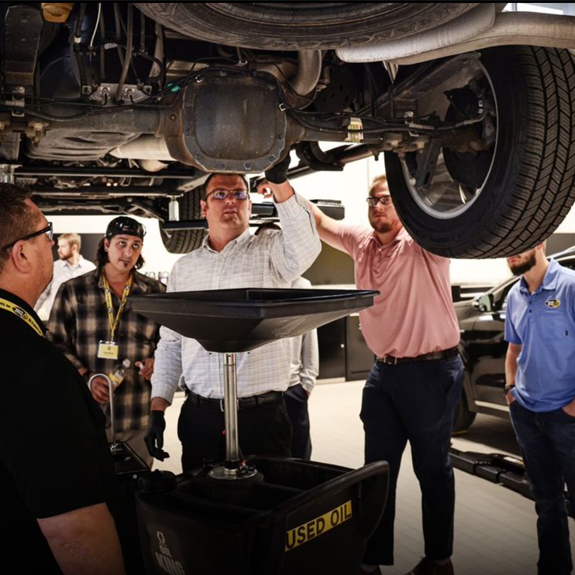
If product or service training improves results, that adds value.
If advisor training improves communication with customers, that adds value.
When training makes an employee more valuable, compensation should reflect that growth. Paying for skill should not be considered an expense—it is an investment.
Training Must Be Structured
In my experience working with multiple shops on various training initiatives, a consistent pattern has emerged: Training works best when it is planned and supported. Successful shops do not treat training as random events. They build it into their system.
Step 1: Create a Clear Onboarding Plan
Every new hire should know what types of training are expected and when. Which certifications should they earn? What should happen in the first 30, 60, and 90 days of employment? Clear expectations create clear results.
Step 2: Connect Training to Pay or Incentives
When employees see that learning leads to higher pay or rewards, they take it seriously. Compensation clearly communicates what the business values.
Step 3: Protect Time for Learning
Training cannot be rushed or constantly interrupted. Employees need real time to focus, learn, and understand. If training is always pushed aside for daily work, it will never succeed.

The Owner’s Responsibility
Owners and managers must find talent, hire talent, grow talent, and keep talent. Training supports all four stages.
A shop’s success is not defined by the equipment it owns but by the capabilities of its people.
When training is expected, supported, and rewarded, improvement becomes a normal part of the process. It becomes part of the shop’s DNA. And when learning becomes part of the culture, success is no longer accidental—it’s by design.