

Skip to content

Sales Tools: Making Customer Conversations Easier

Nick Peyton | BG Training Program Manager and BGU Instructor

In quick lube service, the hardest part of the job usually isn’t finding the problem; it’s helping a customer understand it. That’s where sales tools come in. A sales tool is anything that helps turn an inspection finding during an oil change service into a clear, simple conversation. This helps customers gain trust and make an informed decision about what their vehicle may need.

Sales tools don’t have to be complicated.

Sales tools don’t have to be complicated. Sometimes, they’re digital. An Excel sheet comparing the cost of maintenance now versus repair later can quickly put maintenance into perspective. When customers see the numbers for themselves, the conversation feels more logical and less emotional.

Other times, the best sales tools are physical. A severely clogged engine air filter tells a story without many words. When customers can see or touch a part that needs replacing, the recommendation becomes real. You’re no longer asking them to imagine an issue; you’re showing it to them. That kind of clarity builds trust quickly and creates opportunities through transparency in your quick lube business.

Every shop has faced this situation: You explain the finding, you recommend the solution, and the customer still says no—not because they don’t care, but because they don’t fully understand. When people are unsure, they hesitate. And when they hesitate, they default to saying “no.”  

Think about a time when you couldn’t get a customer to say yes even though the recommendation or maintenance service was clearly needed. Maybe the customer didn’t understand how fluid breaks down over time. Perhaps they couldn’t see why a fluid service mattered. The price may have felt high because they couldn’t connect it to real value. These moments are common, and they usually come from the same root issue: a gap between what we know and what the customer understands.

This is exactly when sales tools make the difference.

When you notice the same confusion happening time and again, that’s a signal. It means you have an opportunity to use tools that make the message clearer. If customers struggle with cost, create a simple comparison chart. If they don’t understand wear and tear, keep sample parts on hand to show normal versus damaged conditions. If maintenance feels abstract, use a visual timeline that shows how neglect leads to bigger repairs (e.g., a dirty versus clean air filter or transmission fluid sample).

Effective visual tools share a few simple qualities.

First, they make things easy to understand.
A good tool removes technical language and replaces it with something visual or practical. Customers should not need mechanical knowledge to understand what’s happening to their vehicle. Many times, you don’t have to create these tools from scratch. Check with your vendors and partners to see what they already use successfully in other shops. They often have charts, visuals, and demonstrations that have been tested in real conversations.
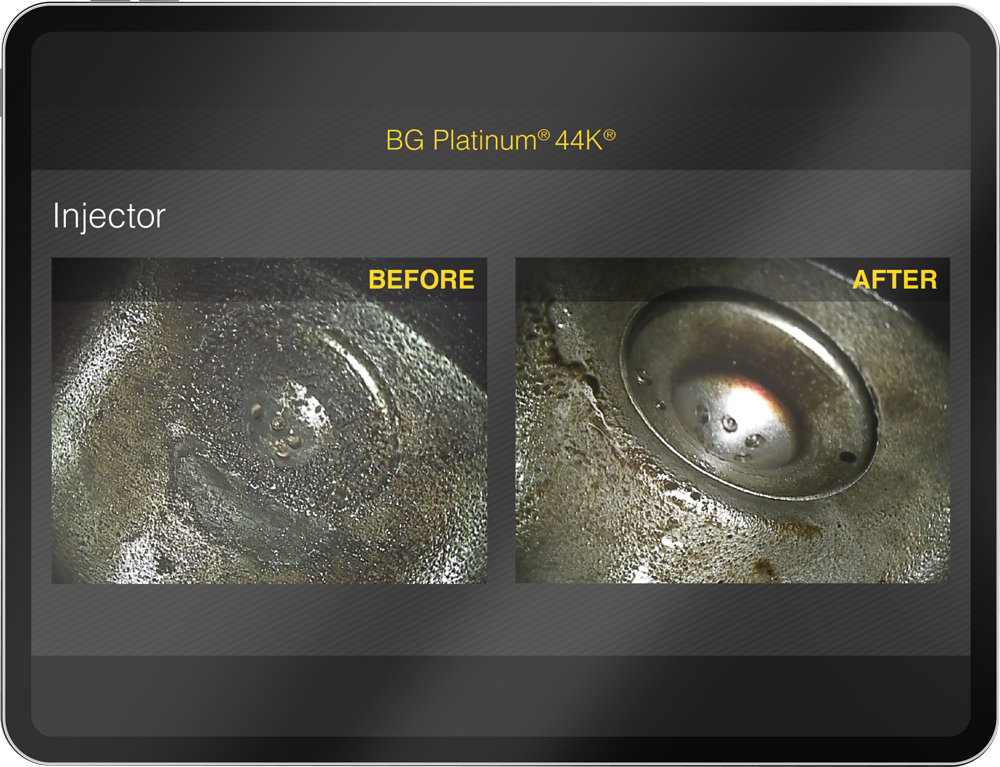
Second, sales tools shift the focus to the evidence.
When you show information instead of just explaining it, the conversation changes. It becomes less about convincing and more about understanding. You’re not pushing a service—you’re presenting a situation, or a potential solution to a future problem.

Third, they create consistency.
You hear the same questions and objections every day. Sales tools give you a reliable way to respond. That consistency helps customers feel more confident, and it helps you communicate recommendations more effectively.


For employees, developing sales tools starts with paying attention. Notice when conversations stall, customers look confused, or the same objections come up repeatedly. Those moments of opportunity are not setbacks. Ask yourself what would make the situation easier to understand. The answer may be a picture, chart, sample part, or simple explanation that can be used consistently.

Customers don’t want pressure. They want clarity. They want to understand why the service matters and what their options are. Sales tools help provide that understanding. They bridge the gap between expert knowledge and everyday decision-making.

In the end, the goal is not to sell harder. The goal is to explain better. When customers clearly see the problem and the solution, saying yes becomes much easier. And that is the power of a good sales tool.

About the Author​

Nick Peyton has more than two decades in the automotive industry and is an integral part of the Training team at BG Products. A seasoned automotive professional with a track record of transforming shop performance, he leads large-group trainings and demos, teaches service advisor courses, and partners with community colleges. His passion for the auto service industry—and for helping people reach their highest potential—drives every class he teaches.
Originally Published in
NOLN Magazine
April 2026

Find a local BG Distributor today and become a BG shop!