Meetings With Momentum
By Spiro Morigiannis, BG Training Manager and BGU Instructor
Here’s a question for quick lube owner/operators and managers: Are you holding team meetings with your employees? If so, are they meetings of substance that reinforce accountability and praise progress?
Communication, growth, and a strong team dynamic are some of the most important elements for a successful shop culture. Regular meetings support team building and training. Employee training shouldn’t be left to chance. Use meetings to talk shop, but also review process, expectations, and training through structured team exercises and role-play.
COLLABORATION STATION
Empower employees by creating a welcoming outlet for ideas, input, and feedback. Provide a controlled setting where employees learn what’s important to the business and what’s expected of them while gaining insight into the performance of the business.
When employees feel involved in the business, they’re motivated to contribute more than what’s required for a paycheck.
Structure meetings to communicate the needs of the business and the “why” behind how a business operates—employees will better understand their roles. Consider the following topics and ideas for kicking off meetings and hosting trainings for your lube teams.
KPIs
Many employees don’t get to see or understand the key performance indicators (KPIs) of a quick lube business. KPIs are metrics, such as daily or weekly car count goals, dollars per RO, daily profitability, and upsold items. When KPIs are explained, employees are being educated on the “why” behind what they do versus simply greeting customers or changing oil. It involves them more directly in the shop’s goals.
OIL SERVICE PROFITABILITY
Quick lubes make the smallest margin on base oil changes. Understanding why other offerings are presented, and the impact of only doing base oil changes, affects the success and profitability of the business.
POLICY AND PROCESS
This is where meetings and employee training overlap. Use meetings to review key processes, including safety procedures, customer reception, handling promotions, and performing an oil service step-by-step. Regularly reviewing these processes reinforces expectations, keeps everyone informed and aligned, and creates accountability for both managers and team members.
RESPONDING TO COMEBACKS
Comebacks are a quick lube shop’s worst nightmare. Meetings and training focused on ensuring that the proper steps are followed can help reduce the possibility of a customer comeback. Include such processes as checking for oil filter gaskets, proper oil fill levels, and correct oil used, as well as resetting the oil life monitor, replacing the oil-due sticker and removing any fingerprints and smudges on the customer’s car. Proper process and training help prevent customer comebacks.
THE POWER OF WORD CHOICE
Do you sell basic “oil changes” or do you offer “oil services” with additional value? It could be the difference between a one-time visit and consistent customer retention. Such offerings as a courtesy “express” inspection, fluid top-off, fluid test strip, printed service recommendation, and visual underside inspection upgrade an “oil change” to an “oil service.” Train your team to present a service menu with oil service offerings and pricing to the customer—and talk with them about the value difference.
HIGH-QUALITY INSPECTIONS
Does your quick lube business offer a courtesy look-over? If not, this may be an opportunity to boost your business. Most important, it may reveal unknown vehicle issues. A customer deserves to know if their vehicle needs attention; your shop sees it most often and is likely the last place that has worked on it. Train your team to perform courtesy checks; they’re a simple way to generate additional revenue (e.g., filters, fluid services, general repair).
And when time and convenience matter most, customers tend to greenlight additional services with you—increasing shop productivity and revenue.
CUSTOMER ROLE-PLAY
Role-play is an effective way to engage and prepare your employees for real customer interactions. Highly successful quick lube businesses use meeting time to role-play with management and customer-facing employees, practicing word tracks and such common scenarios as greetings, service recommendations, and customer questions and concerns. Practicing these customer moments fosters more-natural communication styles and builds employee confidence.
I’ll close with a favorite quote that applies equally to training and routine meetings for quick lube owners and managers:
“Inspect what you expect.”
About the Author
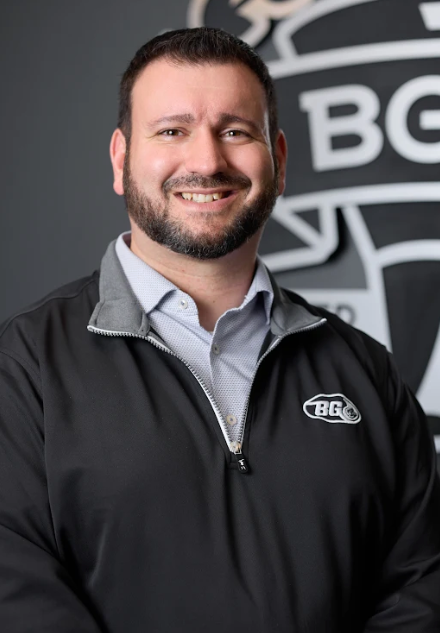
Spiro Morogiannis has more than 15 years in the automotive industry, with 9+ years at BG Products. With a deep understanding of maintenance and shop operations, Spiro brings valuable insights into best practices and industry trends.